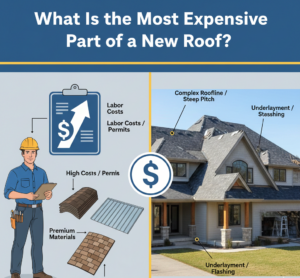
Find the realistic cost range for a new roof in Georgia. We break down average prices for asphalt and metal, detailing the key factors (material, pitch, and labor) that impact your final project investment.
Introduction
For homeowners in Georgia, a roof replacement is a critical investment driven by Georgia’s climate, including the intense heat, high humidity, and frequent storms that define our region. While the national average cost is useful, Georgia’s specific labor rates, climate requirements, and popular home styles mean local pricing can fluctuate widely. The average roof size in Georgia is around 2,000 square feet, which is a key factor in determining costs. It is recommended to contact at least three local roofing contractors to request quotes for a roof replacement to ensure you get the best value and service.
The average cost for a full roof replacement in Georgia typically falls between $8,000 and $20,000, but this range can extend higher for large, complex, or premium material projects. Most homeowners in Georgia find that homeowners spending on roof replacement generally falls within this range, though costs can vary depending on individual needs, material choices, and the specifics of each project. Asphalt shingle roofs, for example, typically last 20 to 30 years in Georgia’s climate, which can influence long-term budgeting.
At Pro Roofing & Siding, we believe in providing clear, transparent pricing based on high-quality materials and expert installation. We’ll break down the key factors that determine your roofing cost, helping you create a realistic budget for your home.
1. Roof Replacement Cost Breakdown by Material Type
When considering the cost to replace a roof, the choice among different roofing materials is the single most significant factor in your total project price. Asphalt shingles are the most popular choice, but metal offers superior long-term value. Metal roofing is gaining popularity in Georgia due to its superior performance in high winds and longevity. Metal roofing can last 35 to 50 years in Georgia if installed correctly, making it a durable and cost-effective option for many homeowners.
| Material Type | Estimated Cost Per Sq. Ft. (Installed) | Expected Lifespan in Georgia | Notes |
|---|---|---|---|
| 3-Tab Asphalt Shingles (Economy) | $3.00 – $5.00 | 15 – 20 Years | Most affordable upfront, but shortest lifespan and least wind-resistant. |
| Architectural Shingles (Best Value) | $4.00 – $10.00 | 25 – 30 Years | High quality architectural shingles are thicker, offer better aesthetics, and provide superior wind/hail resistance—the most common and popular choice. |
| Metal Roofing (Standing Seam) | $8.00 – $16.00 | 40 – 70+ Years | Highest upfront cost, but low maintenance and excellent energy efficiency in hot climates. |
| Tile/Slate (Premium) | $12.00 – $25.00+ | 50 – 100+ Years | Premium materials with a higher cost, offering high-end luxury, but require professional installation and specialized structural support. |
The roof type, total square footage, and average roof size all impact the cost per square foot, installation cost, and overall roof cost or new roof cost. Both the materials you select and the complexity of installation can increase costs and significantly affect the cost of a roof.
Atlanta Metro Area Note: Due to higher labor costs and housing density, prices in major cities like Atlanta, Marietta, and Alpharetta are often on the higher end of these ranges compared to smaller, rural areas. Roof replacement based on material and location can lead to varying costs. In Atlanta, building permits for roof replacements generally cost between $150 and $500, which should be factored into your budget.
When planning your roof installation, it’s important to choose a reputable roofing company and seek fair pricing to ensure quality work, especially considering Georgia’s weather conditions.
2. The Relationship Between Size, Complexity, and Cost
Roofing contractors price jobs by the roofing “square,” which equals 100 square feet of roof surface area. The total cost is heavily influenced by how many squares your roof has (roof size, total square footage, and average roof size are key factors) and how complex it is to install.
| Factor | Description | Cost Impact |
|---|---|---|
| Size | The sheer square footage of your roof (e.g., a 2,000 sq ft house may have a 25-square roof). Roof size, total square footage, and average roof size all directly affect the cost of your roofing project. | Direct correlation: More squares = higher material and labor cost. |
| Pitch (Steepness) | Steeper roofs (above 7/12 pitch) require specialized safety equipment, staging, and more time for the crew. | Steep roofs can increase labor costs by 20% to 40% due to safety requirements. |
| Complexity | The number of valleys, dormers, chimneys, and skylights. Each penetration requires meticulous custom flashing and cutting. Existing layers, the need to remove an old roof or existing roof, and repairs to the roof deck can add to removal costs and installation cost, which can significantly increase costs for the project. | Increases material waste and requires significantly more skilled, time-consuming labor. |
| Accessibility | Limited access due to landscaping, fences, or neighborhood rules can increase labor time and equipment costs (e.g., using a crane or specialized lift). | Adds to the overall labor and overhead cost. |
A rough estimate for a roofing project can be calculated based on cost per square foot and total square footage, but keep in mind that complexity and the condition of the roof deck can increase costs. Permits are typically required for roof replacement, and their costs can vary by location.
When you replace a roof, the process may involve additional steps and higher removal costs if there are multiple existing layers or repairs needed to the roof deck, especially if the old roof or existing roof is in poor condition. For those considering premium options, slate roofing can last 60 to 100 years or more in Georgia due to its high durability, making it a long-term investment for homeowners.
Roof Pitch and Accessibility: How Your Home’s Design Impacts Pricing
Your home’s design directly drives your roof replacement costs here in Georgia. Roof pitch matters most. Steep roofs demand specialized safety gear and skilled crews. That means higher labor costs and longer install times. A standard pitch? Fast work, lower costs. A steep or multi-level roof? Expect more time, more expertise, more expense. The steepness of a roof, or roof pitch, can increase installation costs by 25% or more in Georgia.
Complex roofs cost more. Multiple valleys, dormers, intricate shapes—they all require advanced techniques and extra materials. Every added feature means more labor, more materials, more cost. Simple math: complex roof equals higher replacement bill.
Access issues add costs fast. Tight driveways, heavy landscaping, fenced yards—they force contractors to haul special equipment and spend extra setup time. That’s more labor hours on your bill. Know your home’s challenges upfront. Steep pitch, complex features, tough access—they all impact your final costs. Plan accordingly.
3. Critical Hidden Costs to Budget For
A professional quote will account for more than just shingles. Be prepared for these necessary expenses, which are often overlooked in the initial budget:
| Hidden Cost | Why It’s Necessary in Georgia |
|---|---|
| Tear-Off & Disposal | Removal costs for tearing off the old roof or existing roof and disposing of materials can add approximately $1.00 to $2.00 per square foot to the price. The number of existing layers and the condition of the old roof or existing roof can significantly increase costs, as more layers or deteriorated materials require more labor and disposal fees. |
| Wood Rot Repair | Georgia’s high humidity leads to rot in the fascia, soffit, and roof decking. Any rotten wood found during the tear-off must be replaced (often costing $70–$90 per plywood sheet plus labor). Repairs to the roof deck may be required if damage is found during removal. |
| Ventilation Upgrades | Proper attic ventilation (ridge and soffit vents) is vital to prevent heat and moisture buildup, which “cooks” shingles and causes premature failure. Upgrading ventilation adds cost but extends the roof’s life. |
| Code Compliance | Ensuring all work meets current local building codes, which may require specific underlayment (like ice and water shield in valleys) or tie-ins to existing chimney flashing. |
| Building Permits | Building permits are often required for roof replacement based projects in Georgia. The cost to replace a roof should include permit fees, and a reputable roofing company will handle securing the necessary permits. |
Addressing issues like missing shingles during the process can help prevent future repairs that would otherwise increase costs.
A reputable roofing company will include all these hidden costs in their estimate and ensure professional installation, helping you accurately budget the total cost to replace your roof.
4. Labor Costs and Contractor Quality: The Best Long-Term Value
Labor typically accounts for 40% to 60% of your total roof replacement cost. While some contractors may quote labor at the low end ($1–$2 per sq ft), you must ask yourself what is being cut. In Georgia, labor typically accounts for 40-50% of the total roof replacement cost, reflecting the region’s specific labor market and project requirements.
- Certified Contractors (GAF Master Elite, etc.): These contractors cost more but guarantee a superior, permanent solution backed by the manufacturer’s strongest warranties, often protecting your investment for up to 50 years.
- Unlicensed/Uninsured Contractors: While cheaper upfront, they expose you to massive liability if a worker is injured on your property (Workers’ Comp) or if the roof leaks (Liability Insurance).
Never sacrifice quality for a lower labor price. The resulting leaks and failures will cost you far more than the initial savings.
Roofing Considerations in Georgia: Local Factors That Matter
Georgia’s roof replacement demands smart planning. Hot summers hammer your roof. Heavy rains test every seal. Severe storms arrive without warning. Your materials must fight back. Architectural shingles deliver proven durability. Metal roofing shrugs off hail damage. Clay tiles laugh at wind uplift. Choose materials that win against Georgia weather. Architectural shingles are recommended for their durability and algae resistance in Georgia’s humid climate. Don’t gamble with your biggest investment.
Local building codes aren’t suggestions—they’re requirements. Your roof must meet Georgia safety standards. Period. Compliance protects your family and your wallet. Urban areas like Atlanta charge premium labor rates. Rural communities offer better value. Smart homeowners shop around. Know your local requirements before you sign anything. Code violations cost thousands to fix later.
Find contractors who know Georgia inside and out. Demand strong manufacturer warranties. Energy efficiency cuts your cooling bills fast. The right installation techniques make the difference. Quality materials paired with expert installation equals long-term protection. Your home’s value depends on these choices. Make them count. Get a roof that performs, protects, and pays you back through lower energy costs and increased curb appeal. Financing options are available from many roofing companies to help spread the cost of roof replacement over time.
Conclusion + Call-to-Action
The cost of a new roof in Georgia is a variable equation driven by your material choice, your roof’s complexity, and the quality of the company you hire. While the average price for an Architectural Shingle roof is often between $10,000 and $18,000, choosing a certified contractor who provides a comprehensive, fixed-price quote—including all necessary upgrades—is the best way to secure a long-lasting, leak-free home. Some roofing material manufacturers offer rebates or promotions, particularly for energy-efficient options.
Call Pro Roofing & Siding today at (770) 777-1733 for a free, detailed, and accurate estimate tailored to your Georgia home, or visit www.myproroofing.com to schedule your professional inspection.